
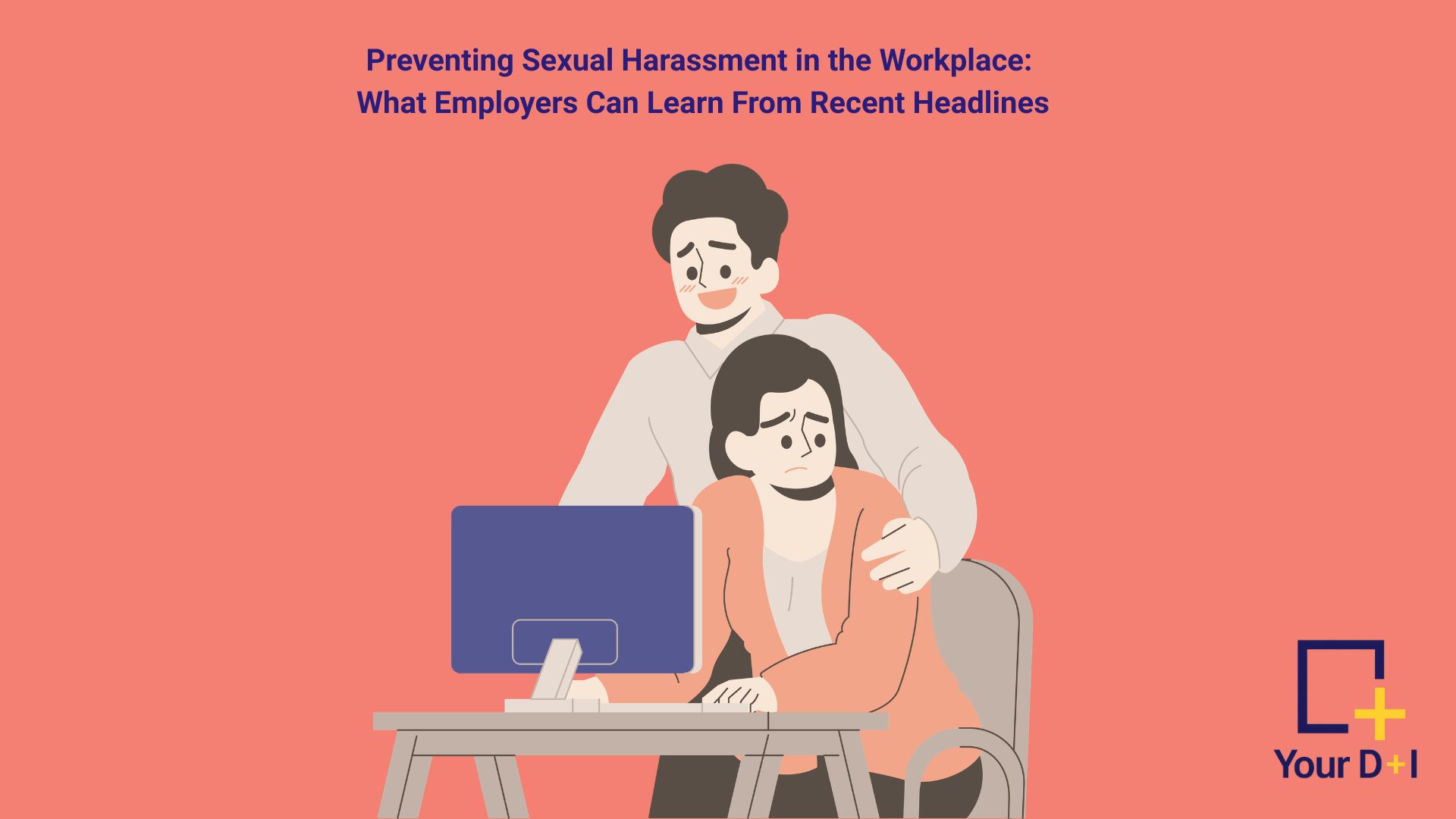
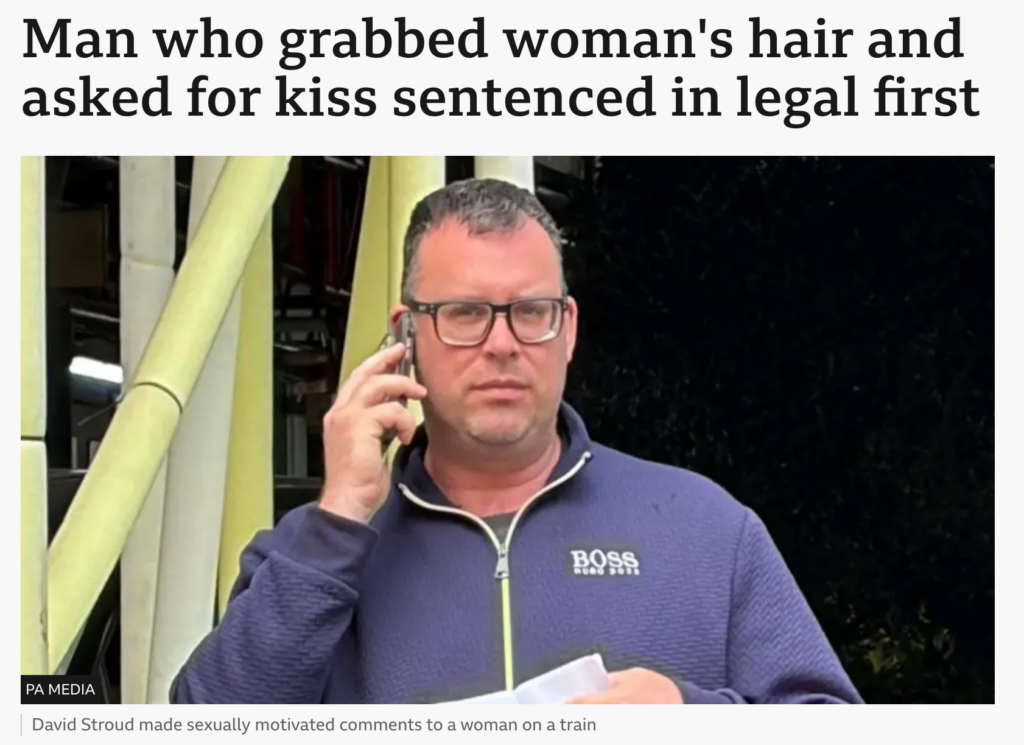
A recent public Sexual harassment case has sparked widespread debate online, with many people focusing on a headline suggesting a man was sentenced after asking a woman for a kiss.
As with many headlines, the reality is more nuanced. The incident did not take place in a workplace. It happened on a train travelling to London. According to reports, the man repeatedly approached a woman he did not know, entered her personal space, called her “magical”, grabbed her hair and asked if he could kiss her. The court heard that the behaviour was unwanted and caused the woman distress.
So why am I writing about this on an EDI and workplace inclusion blog? Because the public reaction highlights one of the biggest challenges organisations face when it comes to preventing sexual harassment in the workplace: people often focus on intent, while overlooking impact.
Understanding that difference is critical if organisations want to create respectful workplace cultures and meet their legal responsibilities.
What Does This Story Teach Us About Workplace Harassment?
The overwhelming response to this story has centred around one question:
“What’s wrong with asking someone for a kiss?”
But that question misses the wider context.
The issue wasn’t a single question.
-> It was a pattern of behaviour.
-> The repeated approach.
-> The invasion of personal space.
-> The unwanted physical contact.
-> The discomfort experienced by the woman involved.
This is exactly why conversations about workplace harassment can become so challenging.
People often focus on a single action rather than looking at the overall experience of the person affected.
Why Preventing Sexual Harassment in the Workplace Matters
Most workplace harassment complaints don’t start with the most serious behaviours.
They often begin with actions that some people dismiss as harmless:
-> Comments about appearance
-> Repeated compliments that become uncomfortable
-> Pet names such as “darling” or “sweetheart”
-> Inappropriate jokes
-> Unwanted physical contact
->Repeated invitations after someone has declined
-> Behaviour that makes someone feel singled out or unsafe
On their own, some of these behaviours may appear minor. However, when repeated or combined, they can create environments where employees feel uncomfortable, excluded or unable to speak up.
That’s why preventing sexual harassment in the workplace requires organisations to focus on culture, not just compliance.
Why Preventing Sexual Harassment in the Workplace Matters
Most workplace harassment complaints don’t start with the most serious behaviours.
They often begin with actions that some people dismiss as harmless:
-> Comments about appearance
-> Repeated compliments that become uncomfortable
-> Pet names such as “darling” or “sweetheart”
-> Inappropriate jokes
-> Unwanted physical contact
->Repeated invitations after someone has declined
-> Behaviour that makes someone feel singled out or unsafe
On their own, some of these behaviours may appear minor. However, when repeated or combined, they can create environments where employees feel uncomfortable, excluded or unable to speak up.
That’s why preventing sexual harassment in the workplace requires organisations to focus on culture, not just compliance
Impact vs Intent in the Workplace
One of the most common responses when concerns are raised is:
“They didn’t mean anything by it.”
- “They were only joking.”
- “They were just being friendly.”
- “They didn’t intend to upset anyone.”
Intent matters.
But impact matters too.
A person can genuinely believe they are being friendly while another person experiences the behaviour as intimidating, inappropriate or unwelcome. This doesn’t automatically make someone a bad person.
But it does mean organisations need to help employees understand how their behaviour affects others.
The most inclusive workplaces recognise that understanding impact is just as important as understanding intent.
What Does The Law Say About Sexual Harassment?
Under the Equality Act 2010, sexual harassment is unwanted conduct of a sexual nature that has the purpose or effect of violating someone’s dignity or creating an intimidating, hostile, degrading, humiliating or offensive environment.
In October 2024, the Worker Protection Act introduced a proactive duty requiring employers to take reasonable steps to prevent sexual harassment in the workplace.
This marked a significant shift.
Rather than simply responding when incidents occur, employers are expected to take action to reduce risks before problems arise.
For many organisations, this means moving beyond policy documents and considering how workplace culture, leadership behaviours and reporting processes contribute to employee safety.
How Employers Can Prevent Sexual Harassment in the Workplace
Training should go beyond legal definitions.
Employees need practical examples of what respectful behaviour looks like, how boundaries work and how to challenge inappropriate conduct safely.
Managers are often the first people employees turn to when concerns arise.
If managers lack confidence, issues can escalate unnecessarily.
Supporting managers with practical guidance is essential.
Employees should understand how to report concerns and feel confident that those concerns will be taken seriously.
Anonymous reporting options can also help increase trust.
Different organisations face different risks.
For example:
- Customer-facing environments
- Hospitality settings
- Remote and hybrid teams
- Conference and networking events
- Industries with significant power imbalances
Understanding where risks are most likely to occur is a crucial part of prevention.
Having a policy is one thing.
Understanding employee experience is another.
Regular pulse surveys, inclusion audits, focus groups and employee feedback can help identify issues before they become grievances.
Questions Every Employer Should Ask
If this story has made you think, consider the following:
- Would your employees know where the line is between friendly behaviour and unwelcome behaviour?
- Would managers feel confident intervening early?
- Do employees understand the difference between intent and impact?
- Do employees trust your reporting processes?
- Have you assessed the risks of harassment within your organisation?
- Are leaders actively modelling respectful behaviour?
If you’re unsure of the answers, it’s worth taking a closer look.
Creating A Respectful Workplace Culture
Preventing sexual harassment in the workplace isn’t about creating fear.
It isn’t about stopping people from talking to one another.
And it certainly isn’t about policing every interaction.
It’s about creating environments where people understand boundaries, respect differences and take responsibility for the impact of their actions.
The most effective organisations don’t wait for complaints, grievances or tribunal claims before taking action.
They build cultures where respect is the norm, concerns are addressed early and employees feel safe being themselves.
Is Your Organisation Doing Enough To Prevent Sexual Harassment?
Many organisations assume their culture is healthy because they’ve never received a complaint.
But no complaints doesn’t always mean no problems.
At Your D+I, we help organisations understand the lived experiences of their people through inclusion audits, culture reviews, leadership support and practical training that goes beyond compliance.
Whether you’re reviewing your approach to the Worker Protection Act, strengthening workplace culture or supporting managers to have better conversations, we’re here to help.
Book a free, no-obligation chat: https://calendly.com/chris-2388/cuppa-and-a-chat
Because preventing sexual harassment in the workplace isn’t just about reducing risk.
It’s about creating workplaces where people feel respected, valued and safe to do their best work.
FAQ's
Under the Equality Act 2010, sexual harassment is unwanted conduct of a sexual nature that has the purpose or effect of violating a person’s dignity or creating an intimidating, hostile, degrading, humiliating or offensive environment.
Sexual harassment can include comments, jokes, unwanted physical contact, sexual advances, messages, gestures or other behaviours that make someone feel uncomfortable or unsafe.
Examples of workplace sexual harassment can include:
- Unwanted comments about someone’s appearance
- Sexual jokes or banter
- Repeated requests for dates after someone has declined
- Unwanted touching, hugging or physical contact
- Sharing sexual images or content
- Making comments about a person’s body or clothing
- Sending inappropriate messages online
- Using pet names such as “darling” or “sweetheart” when they are unwanted
The key factor is whether the behaviour is unwanted and how it affects the person experiencing it.
Intent relates to what a person meant by their actions.
Impact relates to how those actions were experienced by someone else.
A person may intend to be friendly, humorous or complimentary, but the impact may still be that another person feels uncomfortable, excluded or intimidated.
Understanding both intent and impact is an important part of creating respectful and inclusive workplaces.
The Worker Protection (Amendment of Equality Act 2010) Act 2023 introduced a legal duty requiring employers to take reasonable steps to prevent sexual harassment in the workplace.
This means employers should take proactive action to reduce risks rather than waiting for incidents to occur.
Examples include training, risk assessments, clear reporting processes and leadership accountability.
Potentially, yes.
Whether behaviour amounts to harassment depends on the circumstances, the context and the impact on the individual concerned.
While repeated behaviour is often a factor, a single incident may still be serious enough to create an offensive, intimidating or degrading environment.
Potentially, yes.
Whether behaviour amounts to harassment depends on the circumstances, the context and the impact on the individual concerned.
While repeated behaviour is often a factor, a single incident may still be serious enough to create an offensive, intimidating or degrading environment.
Managers should:
- Listen without judgement
- Take concerns seriously
- Follow organisational policies and procedures
- Maintain confidentiality where appropriate
- Seek advice from HR or relevant specialists
- Avoid dismissing concerns as “banter” or misunderstandings
How a manager responds in the first conversation can significantly influence whether employees feel safe speaking up in the future.
Employees may avoid reporting concerns because they:
- Fear retaliation
- Worry they won’t be believed
- Believe nothing will change
- Fear being labelled a troublemaker
- Lack confidence in reporting processes
- Feel previous concerns have been ignored
Building trust is therefore a critical part of preventing workplace harassment.
No.
Sexual harassment can occur in public spaces, online, at networking events, during business travel and in social settings.
However, employers still have a responsibility to consider risks connected to work activities, including conferences, client meetings, work socials and online interactions.
Policies alone don’t tell you whether a culture is inclusive.
Employers should gather employee feedback through surveys, focus groups, inclusion audits, exit interviews and employee networks to understand people’s lived experiences.
The most effective organisations measure culture regularly rather than assuming everything is working because no one has complained.
